John Stevens M.M.

Home page

Appears as:

Born:

Parents:

Unit:


No.:

Rank:

Died:

Grave/Memorial: 
Stevens, John

1 August 1894, Pirbright, Surrey

Walter and Emma (née Boylett)

7th Battalion, The Queen's (Royal West Surrey) Regiment / 9th & 6th Battalions,
The Northamptonshire Regiment

7.4469 / 45625

Private

31 Aug 1918, 53 CCS, France, age 24

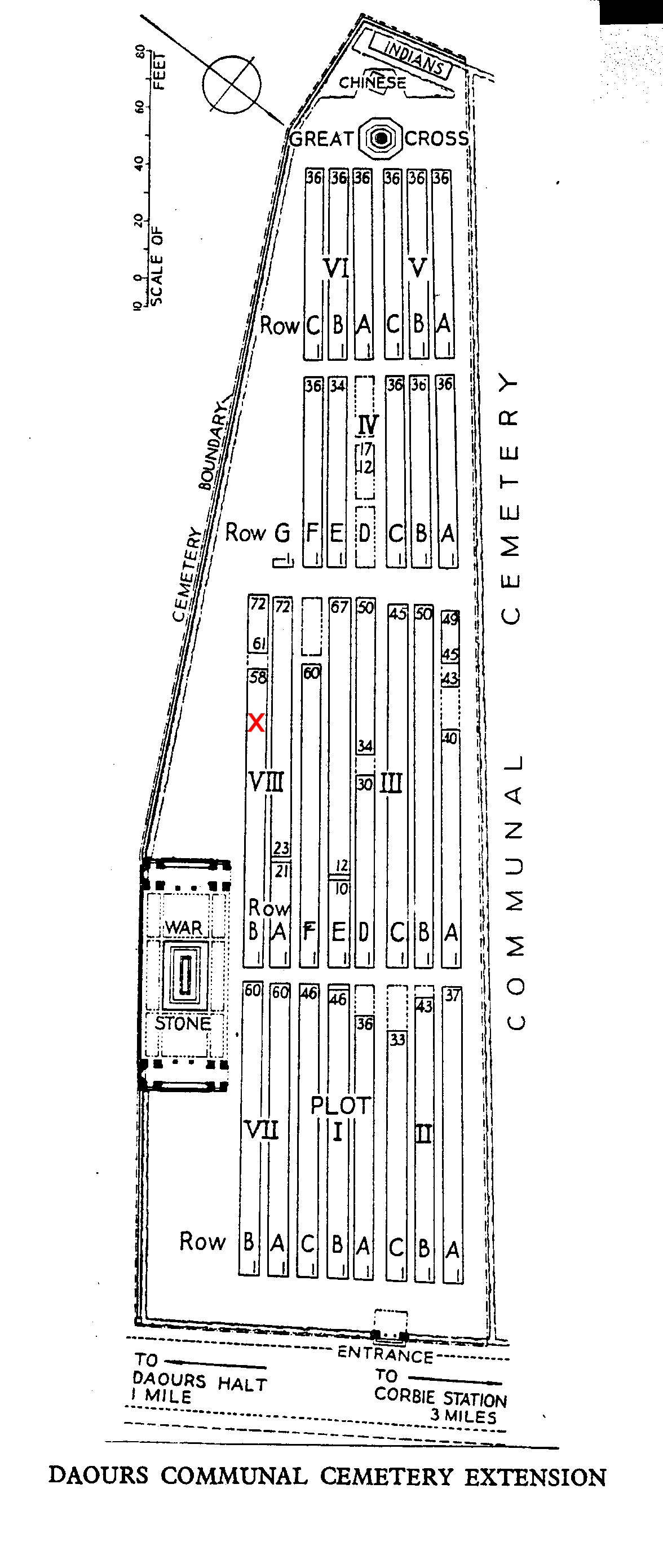
Daours Communal Cemetery Extension, Daours, Somme, Picardie, France: VIII. B. 48  

      

Biography:
John Stevens was born in Pirbright, Surrey, on 1 August 1894.  He was the son and third child of Walter Oliver Stevens, a plasterer, and Emma (late
Boylett née Stevens).  He had four brothers and three sisters.

After leaving school, John worked as a general labourer.

On 26 January 1915, John enlisted with The Queen's (Royal West Surrey) Regiment.  He stood 5 feet 6 inches tall and weighed 115½ pounds.  John was
posted to 7th Battalion on 5 July 1915 and deployed to France on 27 July.

John was wounded, with a gunshot wound to the left knee, on 1 July 1916.  He was evacuated home.  When recovered, he was posted to the 3rd
(Reserve) Battalion, on 1st March 1917.  On 6 March 1917, John was transferred to the 9th Battalion of The Northamptonshire Regiment.

John was posted to the Infantry Base Depot at Calais on 21 April 1918 and transferred to the 6th Battalion the same day.
The Infantry Base Depot was a holding camp; situated within easy distance of one the Channel ports, it received men on arrival from England and kept them in training while they
awaited posting to a unit at the front.

John Stevens was killed on 1 August 1918; he was wounded and died of his wounds at 53 Casualty Clearing Station. He is buried, in grave VIII. B. 48,
within Daours Communal Cemetery Extension, Daours, Somme, France.


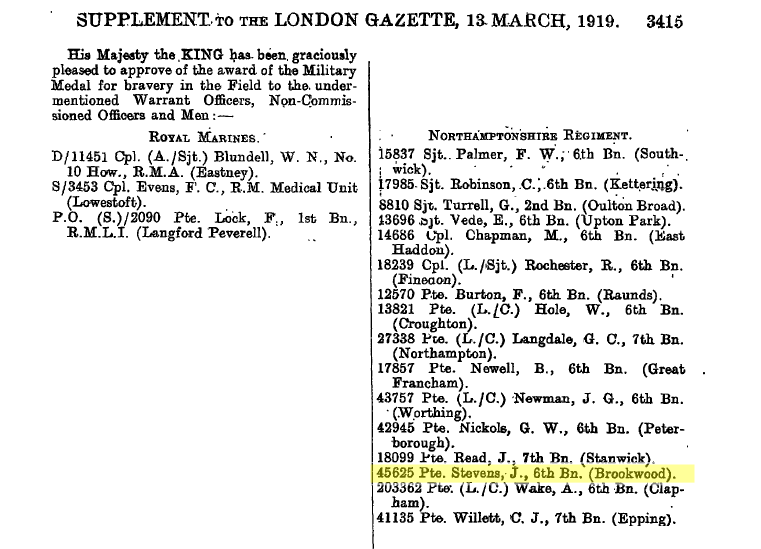
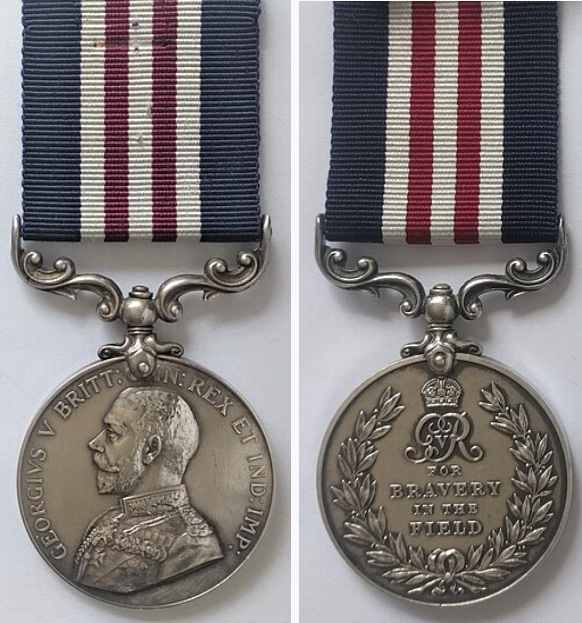
John Stevens was awarded the Military Medal – probably for his actions in the battle which led to his death.

John’s brother, Edward Stevens, is also commemorated on the St John’s Memorial.


The preparations for the Somme offensive of July 1916 brought a group of casualty clearing stations
to Daours. The extension to the communal cemetery was opened and the first burials made in Plots I,
II, Row A of Plot III and the Indian plot, between June and November 1916.

The Allied advance in the spring of 1917 took the hospitals with it, and no further burials were made in
the cemetery until April 1918, when the Germans recovered the ground they had lost. From April to
the middle of August 1918, the extension was almost a front line cemetery. In August and September
1918, the casualty clearing stations came forward again but, in September, the cemetery was closed.

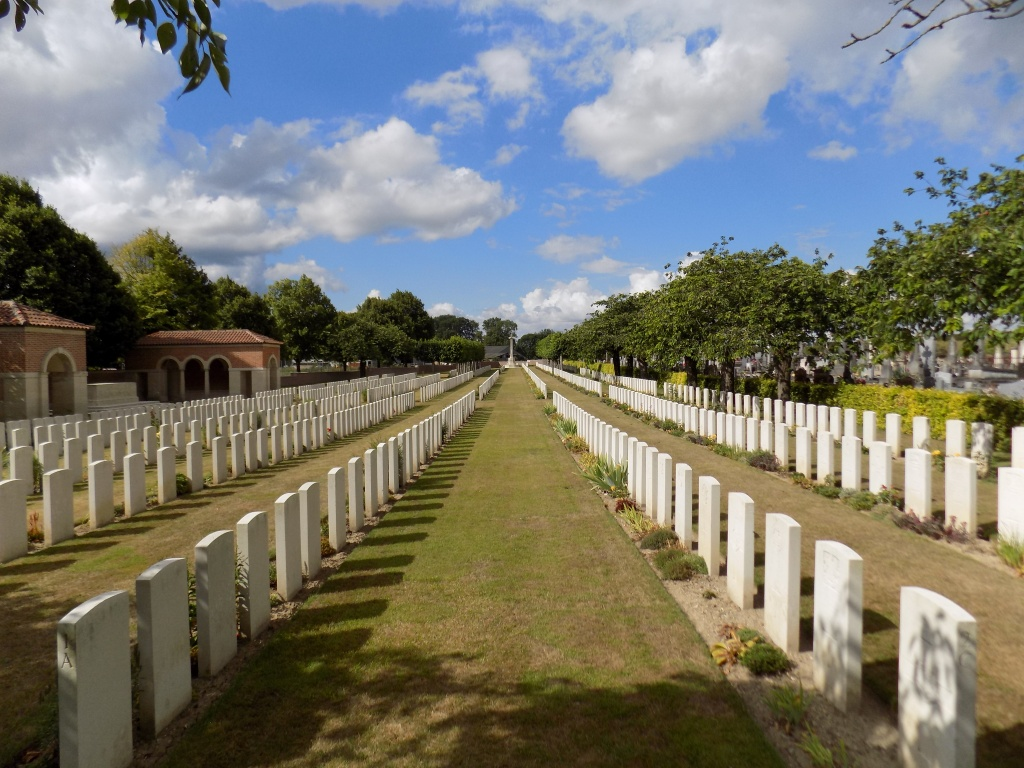
There are now 1,231 Commonwealth servicemen of the First World War buried or commemorated in
Daours Communal Cemetery Extension. The extension was designed by Sir Edwin Lutyens.